Share Your Drive With Someone Who Isn’t in the Car

The person waiting for you can now watch you drive in a browser, no app or account needed. Who it’s for, how to send it, and what stays private.
Group Navigation
The person waiting for you can now watch you drive in a browser, no app or account needed. Who it’s for, how to send it, and what stays private.

Mountain passes push cooling systems to their limits, especially in older vehicles. Know the warning signs from your temperature gauge, check coolant before climbing, and plan your convoy order around the most vulnerable car in the group.
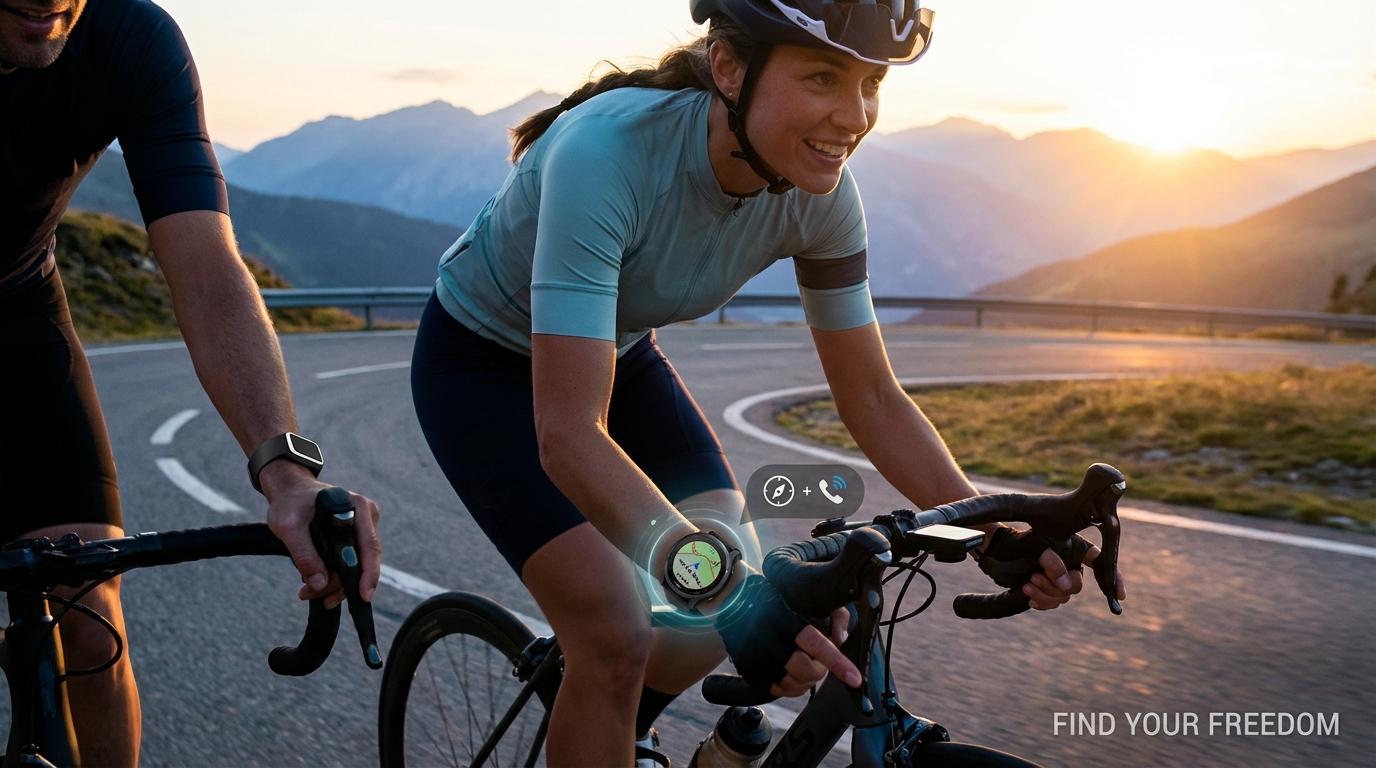
Fitness watches with cellular modems can share location independently, while bands rely on a paired phone. Understanding the hardware gap helps you choose the right wearable for group tracking.
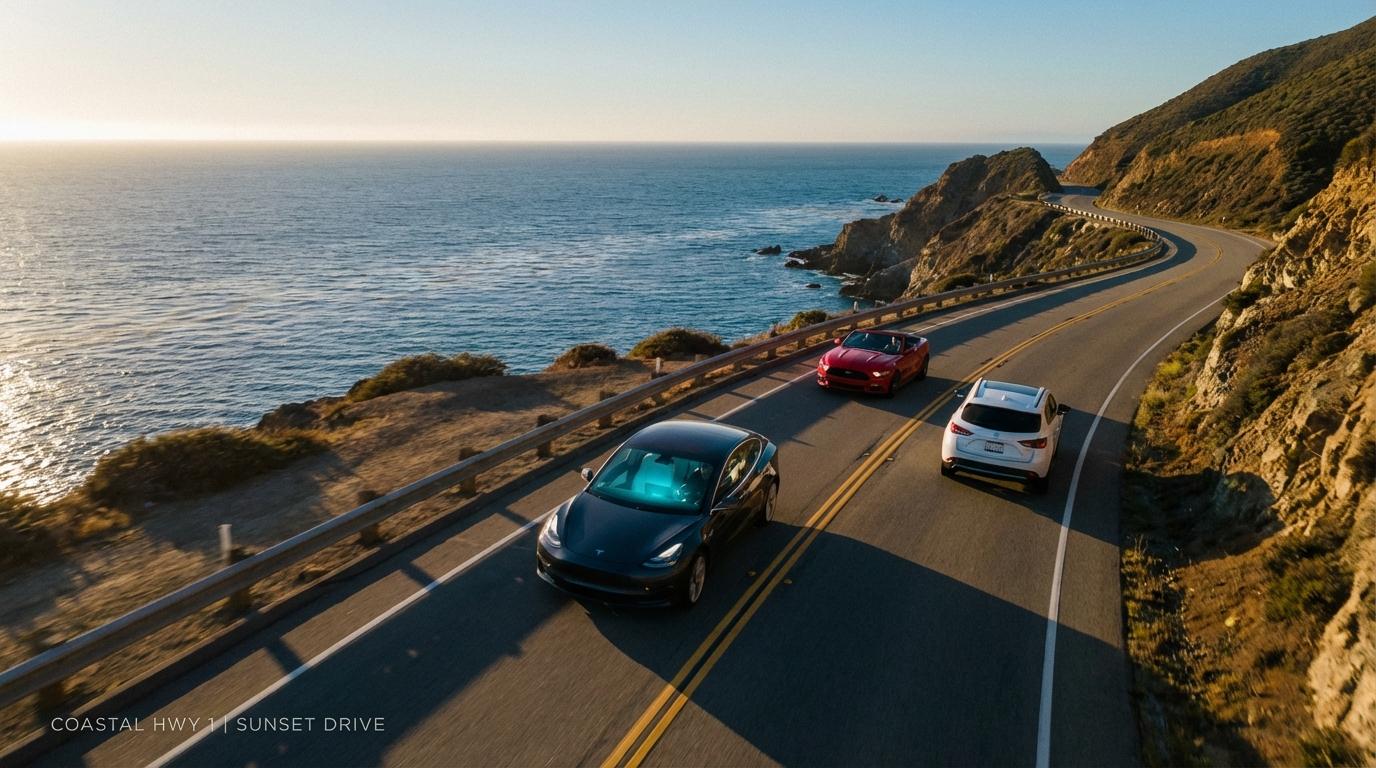
Lead car sets the pace, tail car watches the group. Choosing the right navigation position for your convoy depends on group size, route complexity, and communication tools.
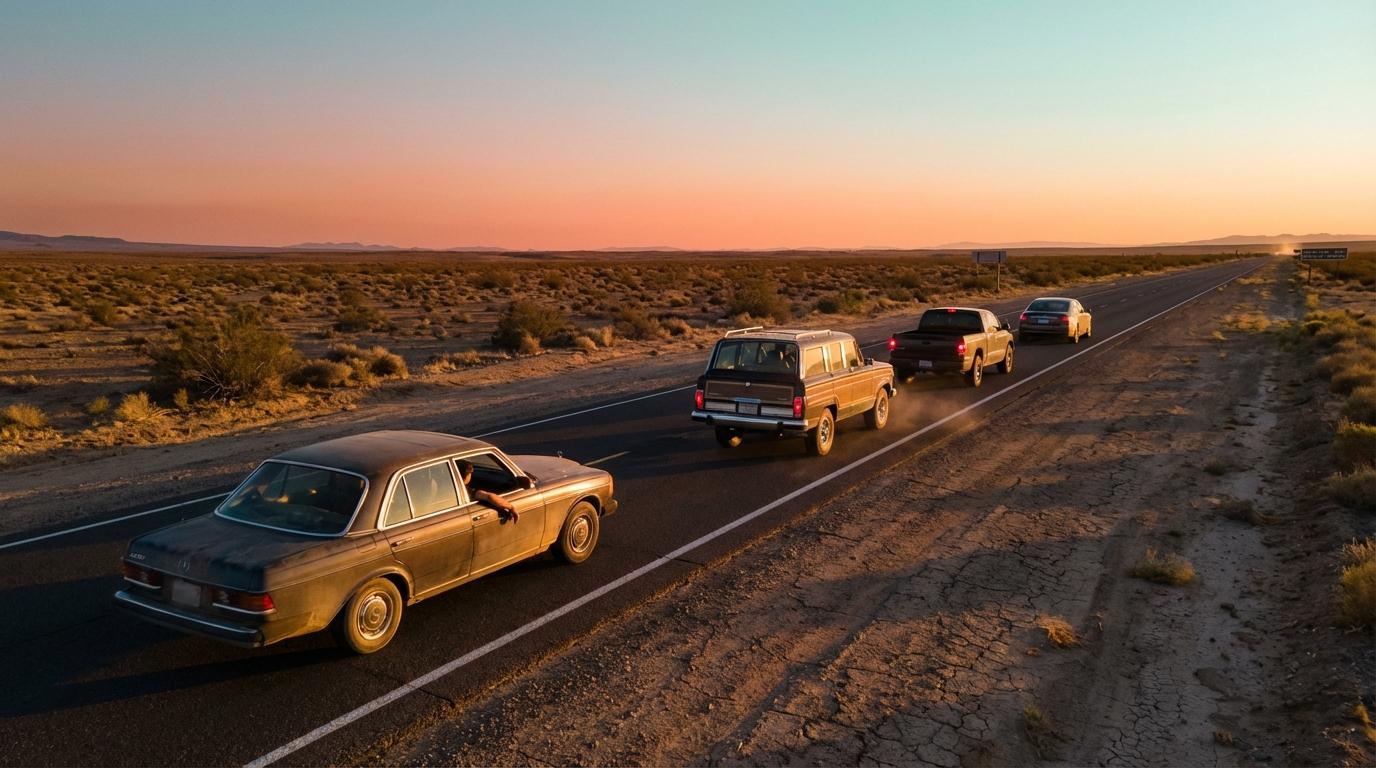
A straightforward protocol for group road trips: what every car should do when one vehicle gets pulled over, and how to regroup without turning a ten-minute stop into an hour-long mess.
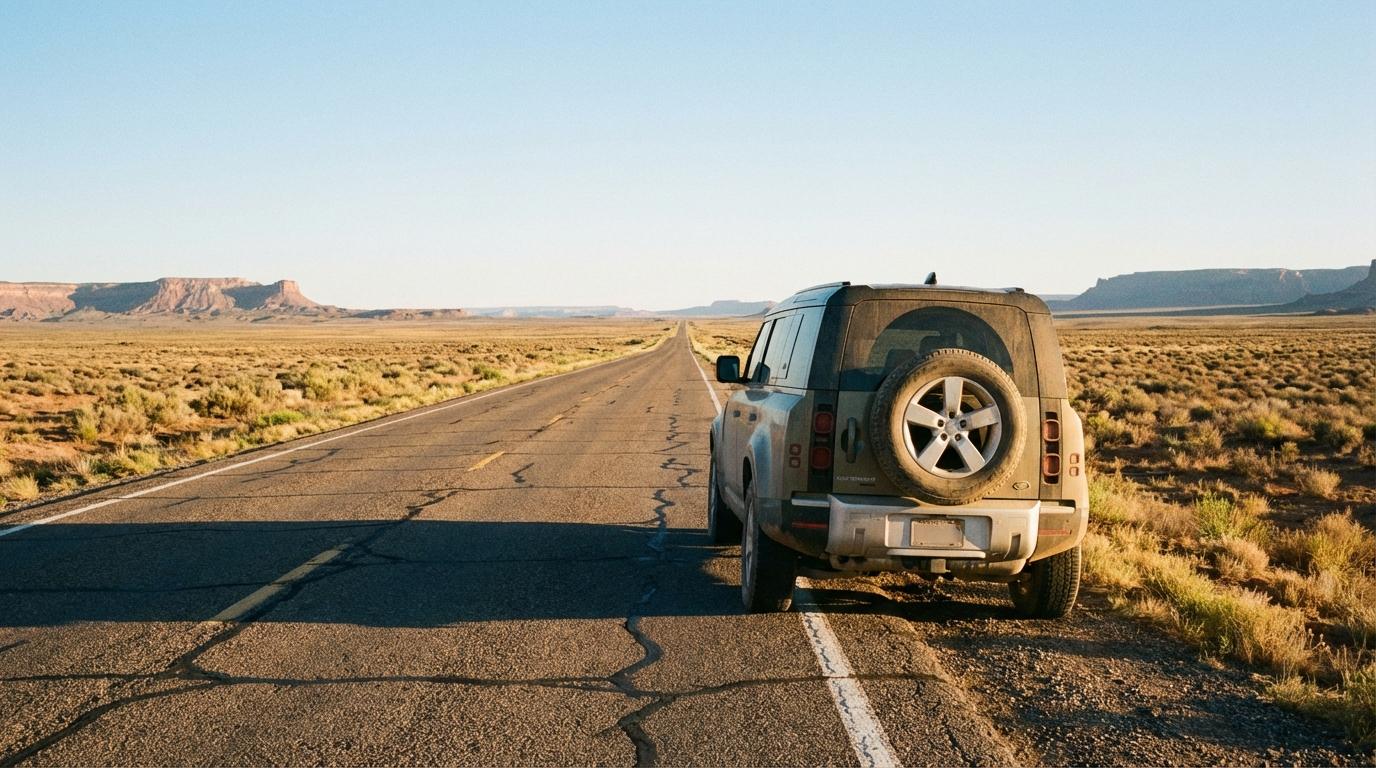
Desert highways can stretch over 100 miles between services. Here’s how to calculate water needs, plan fuel stops, and handle breakdowns when the nearest help is hours away.
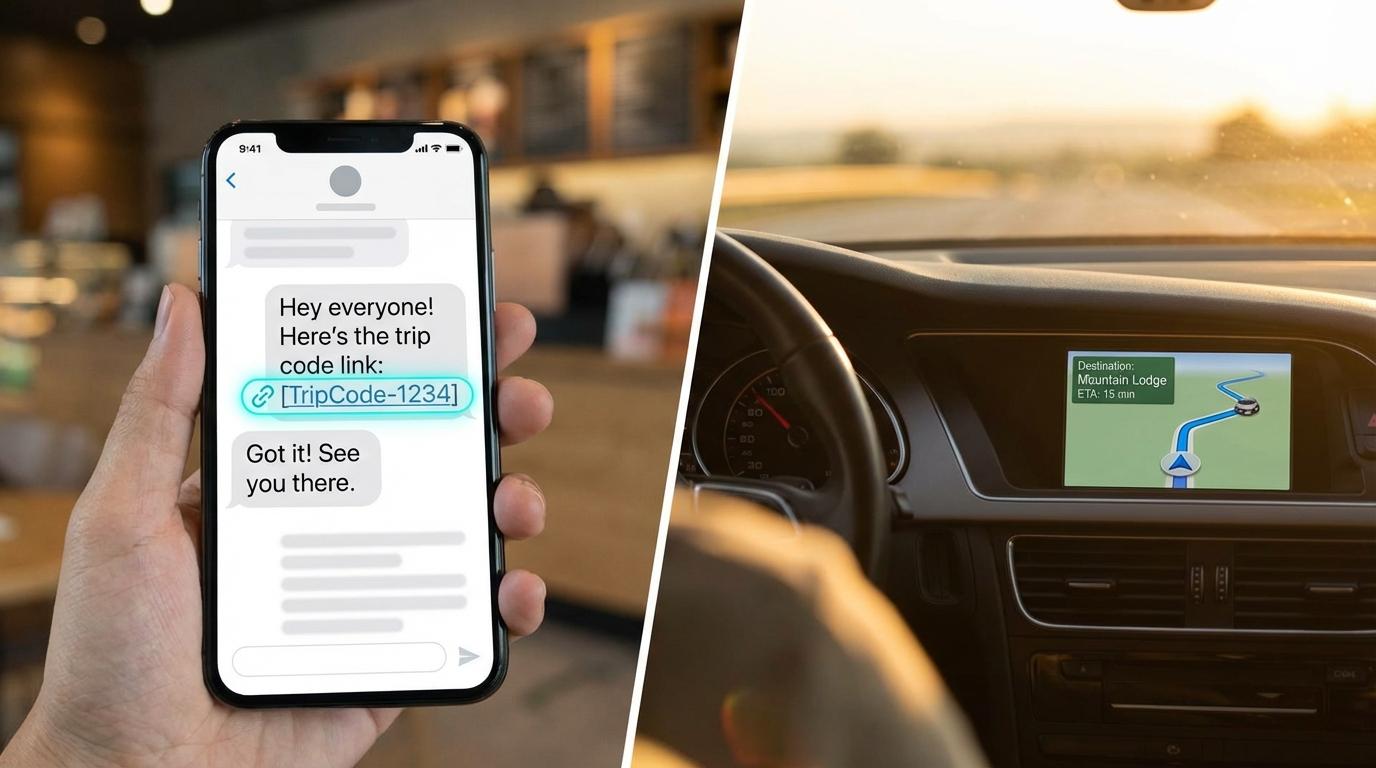
Sharing a trip code in a group text seems simple until autocorrect gets involved. Copy-paste the code on its own line, use phonetic spelling for voice dictation, and always confirm everyone joined before departure.
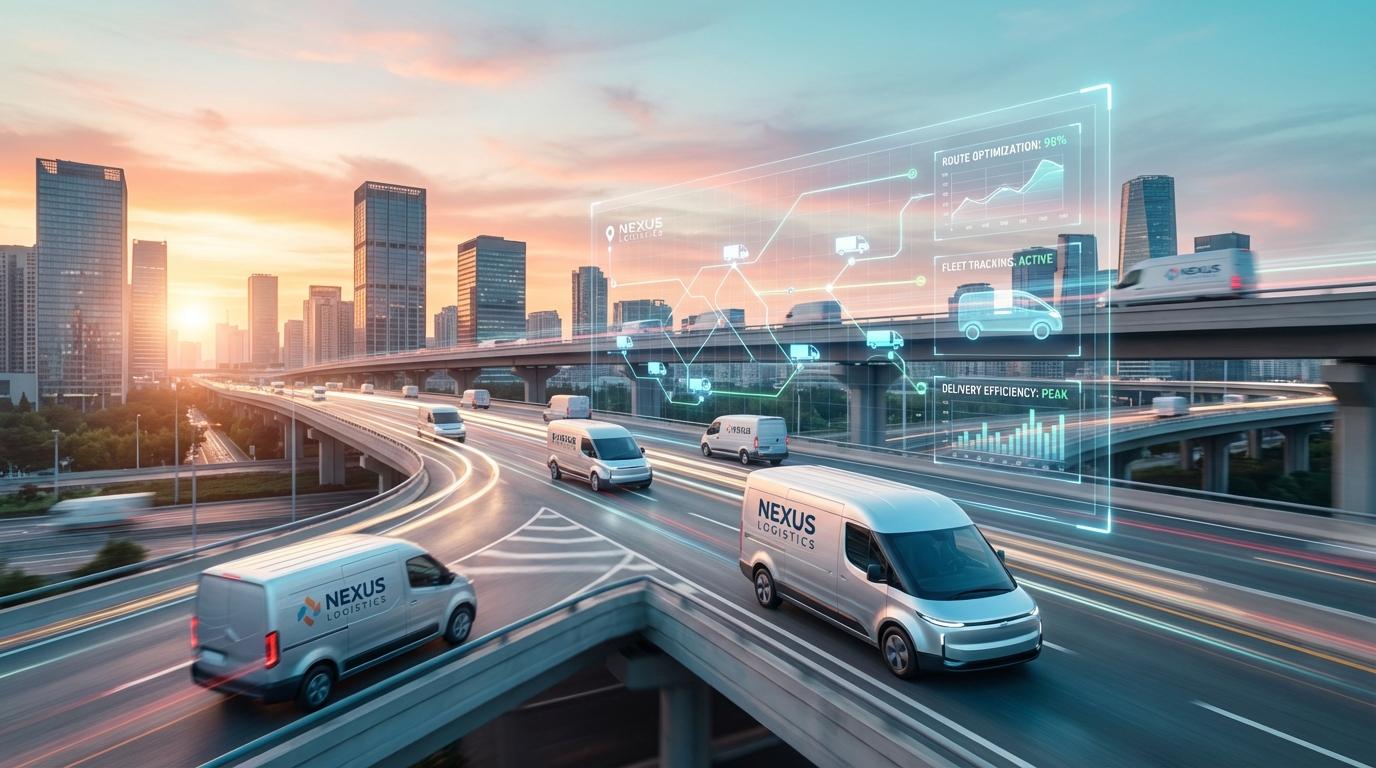
When your fleet’s average speed drops 15%, the cause is rarely one thing. Traffic pattern shifts, new construction zones, driver behavior changes, and overlooked route adjustments all stack up. Here is how to diagnose and fix the real problems.

A practical system for scheduling rest stops on group road trips, from timing formulas to amenity-finding apps, so nobody has to feel guilty about needing a break.
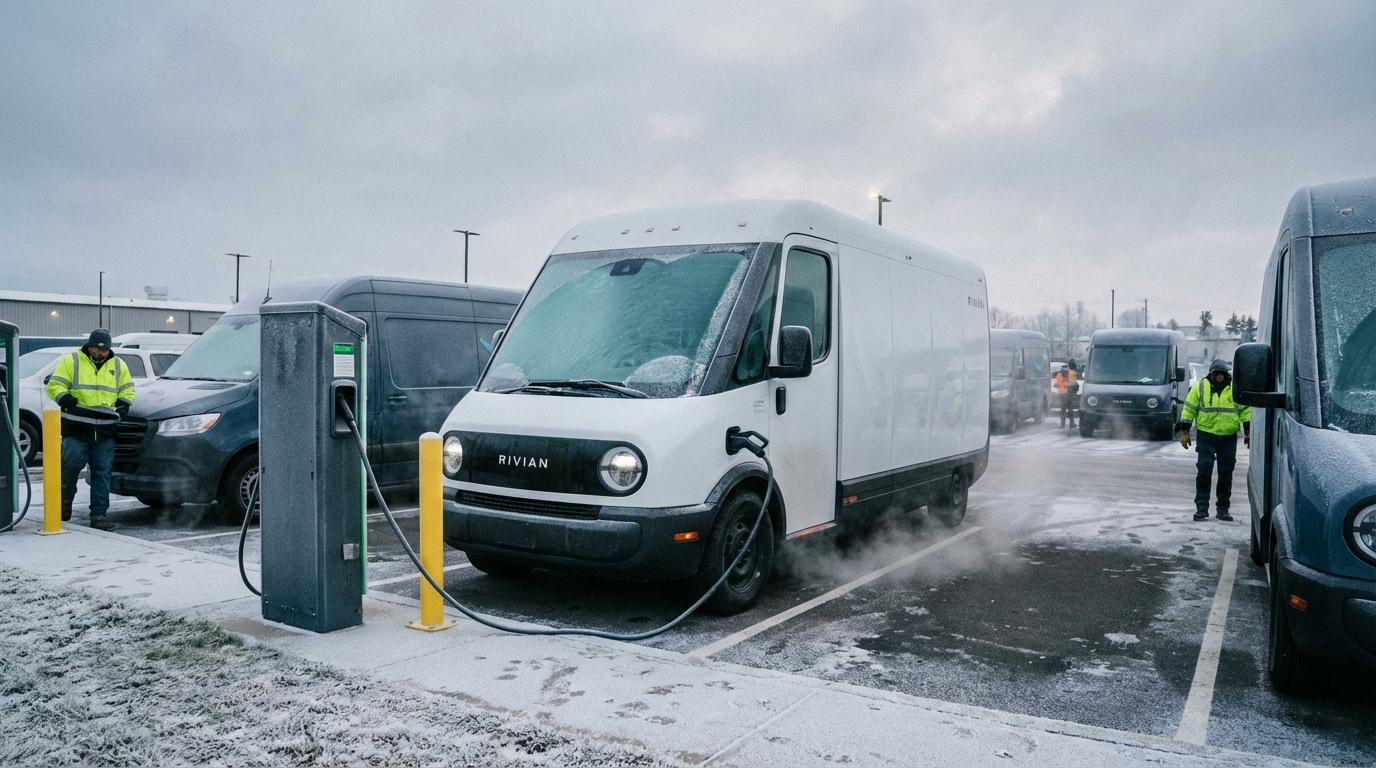
Cold weather can slash electric delivery van range by a third or more. Battery preconditioning, targeted route adjustments, and smart driver habits solve most of the problem without a crisis-level contingency overhaul.